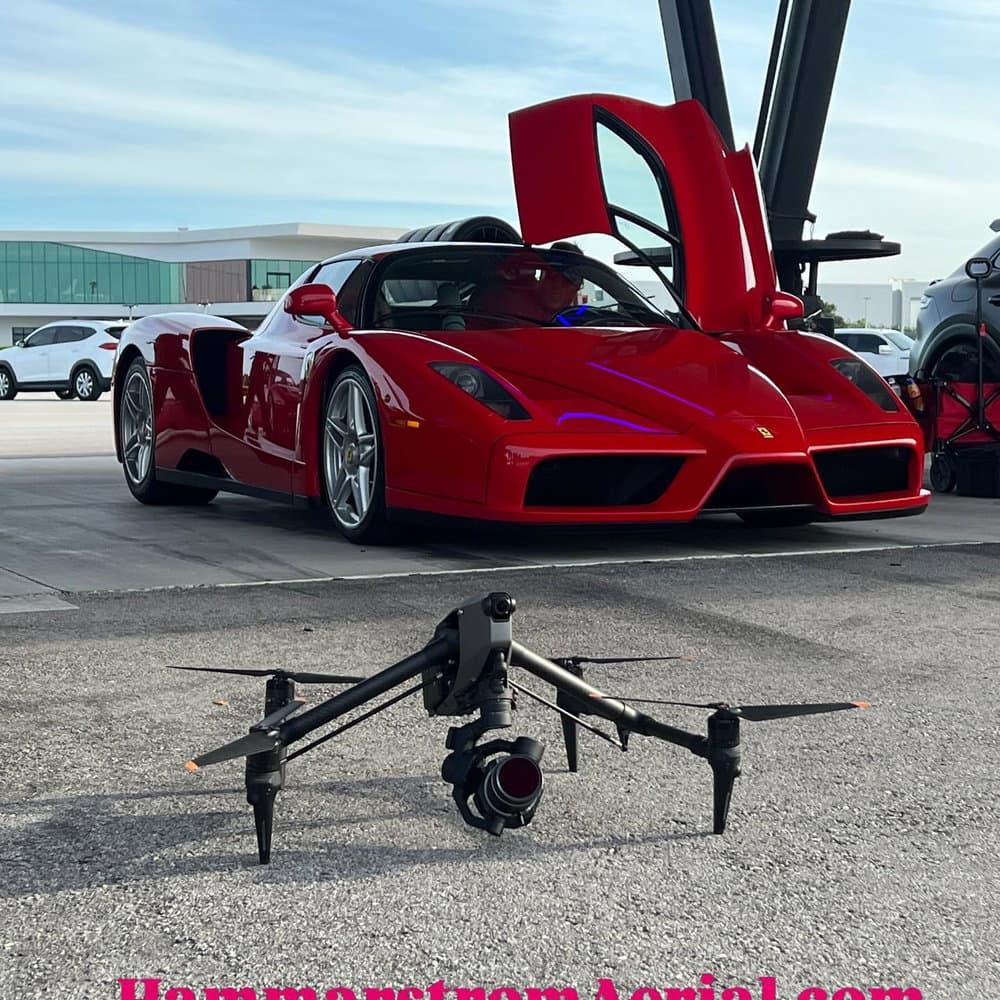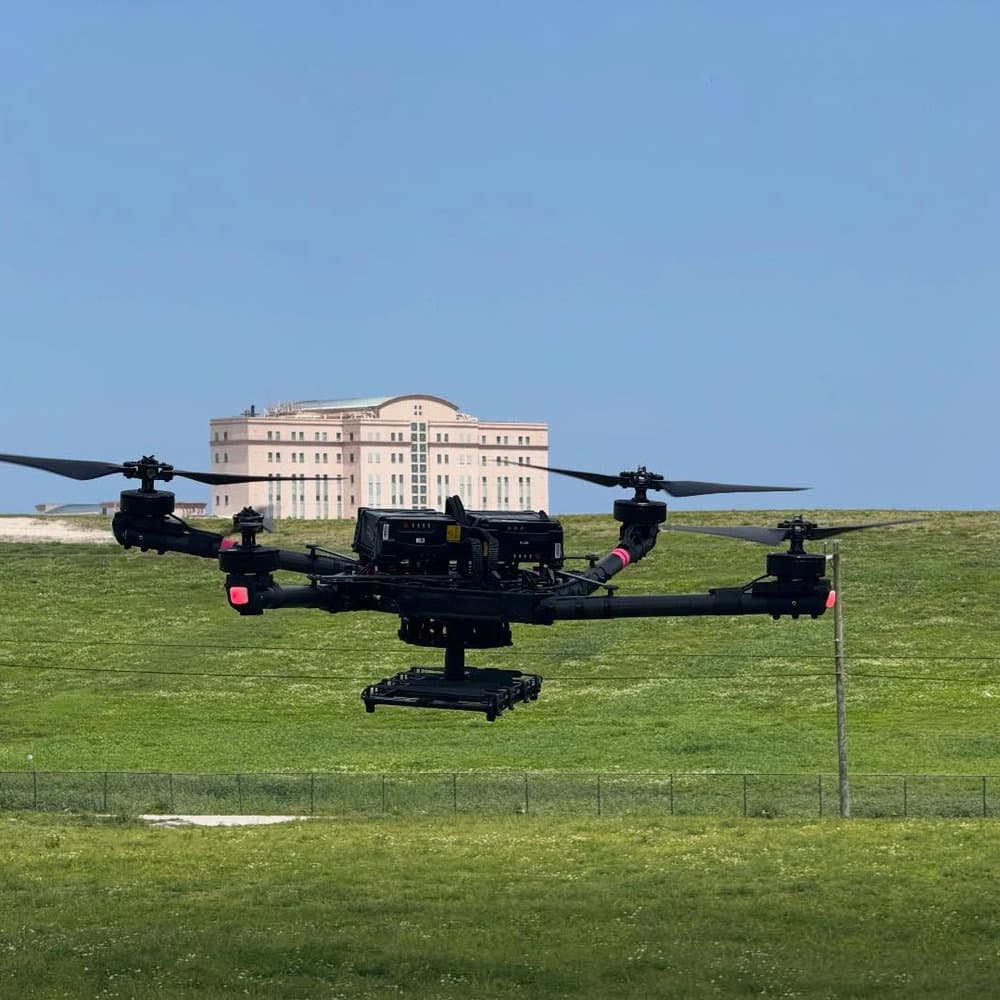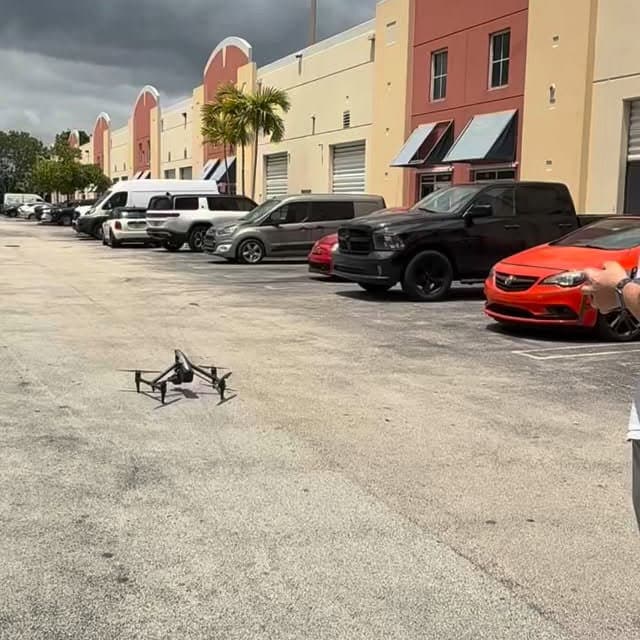
One shot. Let's see how far we can fly this one — inside the long-range FPV take.
There's a special kind of pressure to a one-shot: no cuts to hide behind, no coverage to fall back on. The whole scene lives or dies on a single continuous flight. That's exactly why we love them — and why long-range FPV is one of the most exciting tools in aerial cinematography right now.
On this flight the goal was simple to say and hard to do: fly one clean, unbroken take as far as the scene demanded. Pilots in command were Gabe Piñeiro and FPV pilot Marvin Martinez.
What a long-range FPV one-shot actually is
FPV (first-person view) drones are flown manually through immersive goggles, which lets a pilot dive, chase and thread gaps that a conventional cinema drone simply can't. A 'one-shot' takes that a step further: a single continuous move — often several hundred metres or more — that carries the viewer through a whole space without a cut.
Done right, it collapses the distance between the audience and the action. You get proximity, speed and momentum in one breath, whether that's diving down a building, chasing a car, or flying straight through a location end to end.
Why it's harder than it looks
Every one-shot is a rehearsal problem before it's a flying problem. We break the move into beats, walk the line, and fly it again and again until the timing, the exposure and the framing all land in the same take. Long-range adds signal, battery and safety planning on top: the further you fly, the more everything has to be dialled in before you commit.
That's why one-shots are a crew effort — spotters, a pilot in command, and a plan for every metre of the flight. When it works, it looks effortless. That's the point.
Frequently asked
- What is an FPV one-shot?
- An FPV one-shot is a single, unbroken drone take flown manually in first-person view — a continuous move through a scene with no cuts, often covering long distances and tight spaces a traditional cinema drone can't reach.
- When should you use FPV instead of a traditional cinema drone?
- Use FPV when you need speed, proximity and a continuous, immersive move — chase shots, dives, and flying through spaces. Traditional cinema drones are better for smooth, stabilised, high-resolution hero moves. Many productions use both.
Originally shared on Instagram.