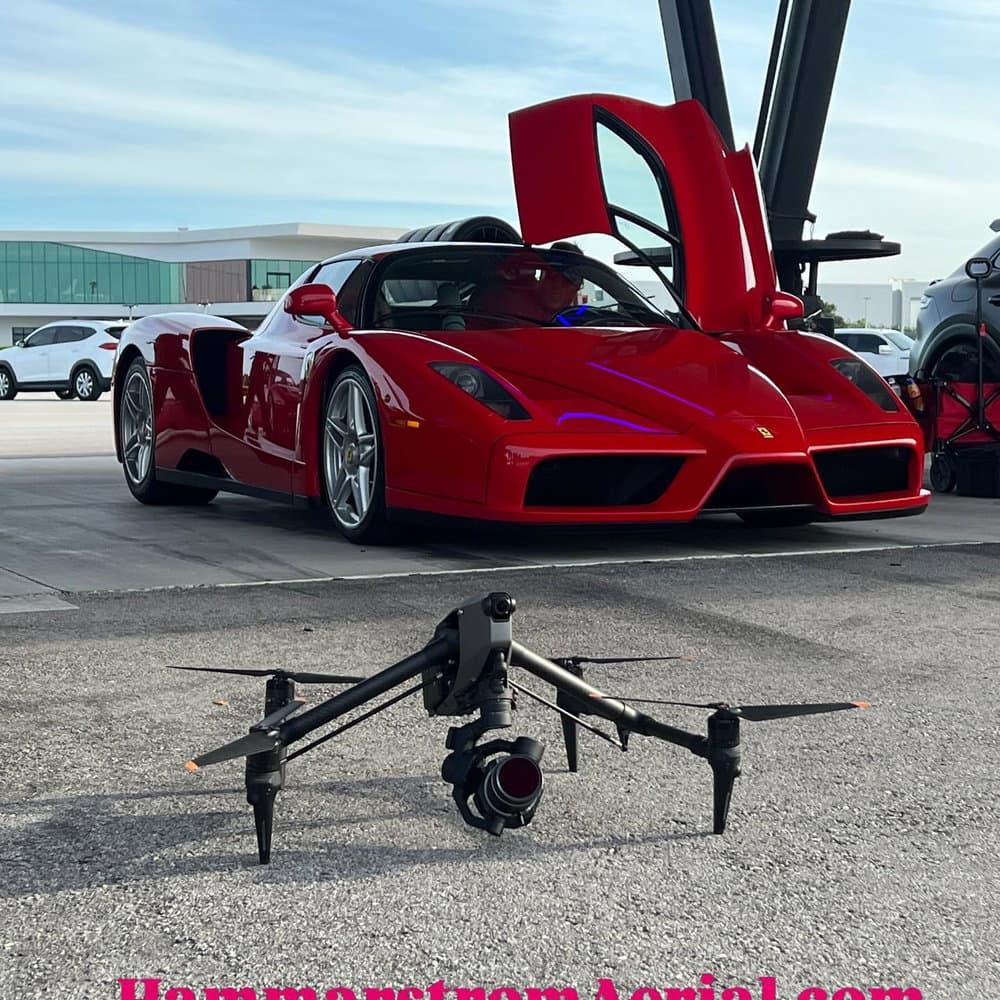
Glowing headlights, ice reflections, and FPV carving through the cold night air.
High-speed FPV drones chasing cars through winter snow and darkness — it's the perfect mix of power, precision and adrenaline, and it's some of the most demanding flying we do.
Night shoots in freezing conditions push both pilot and gear to the limit.
Everything is harder at night, in the cold
Batteries drain faster, lenses fog, visibility drops, and every move has to be flawless because there's no forgiving light to hide in. Add a moving car to chase and the margins get very thin — the pilot is flying fast, in the dark, next to a vehicle, with the whole shot riding on a single pass.
That's exactly why it's a crew effort: spotters, comms, and a plan for every metre of the chase.
Why it's worth it
When it works, there's nothing like it. Glowing headlights, ice reflections, and the raw agility of FPV carving through the cold night air — speed you can feel. This is where storytelling meets pure motion.
It's the kind of shot that makes an automotive spot feel alive, and it's a signature of what FPV brings to a production.
Frequently asked
- Can FPV drones film car chases at night?
- Yes. High-speed FPV drones can chase vehicles in low light and winter conditions, though night shoots demand extra planning — batteries drain faster, visibility drops, and every move must be precise. It's a crew effort with spotters and clear comms.
- What makes FPV good for automotive filming?
- FPV drones deliver fast, immersive, continuous moves right alongside a moving vehicle — a sense of speed and proximity that traditional cinema drones or cars can't achieve.
Originally shared on Instagram.