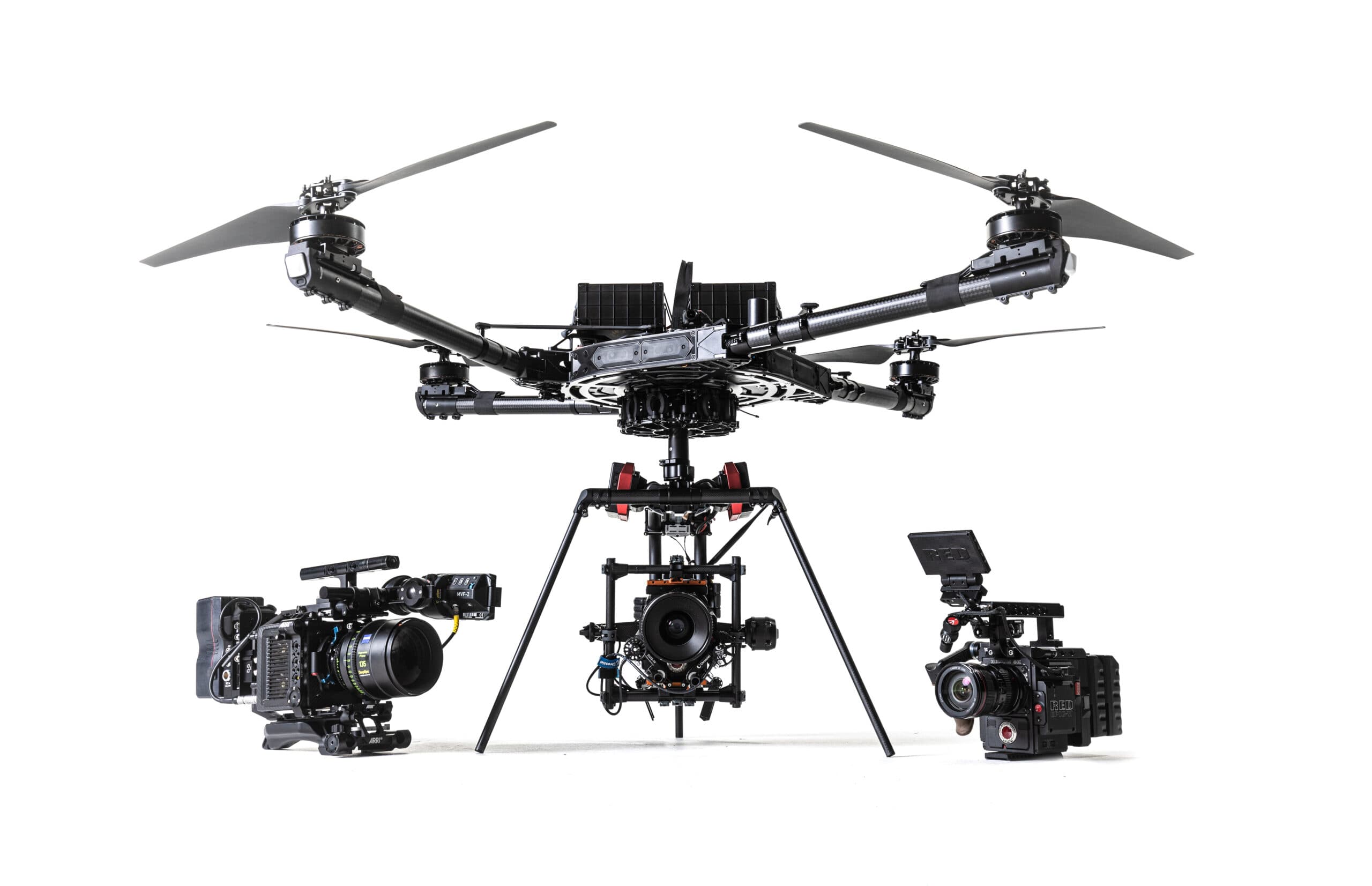
Heavy batteries, cold fingers, frozen gear — and the Alta just keeps going.
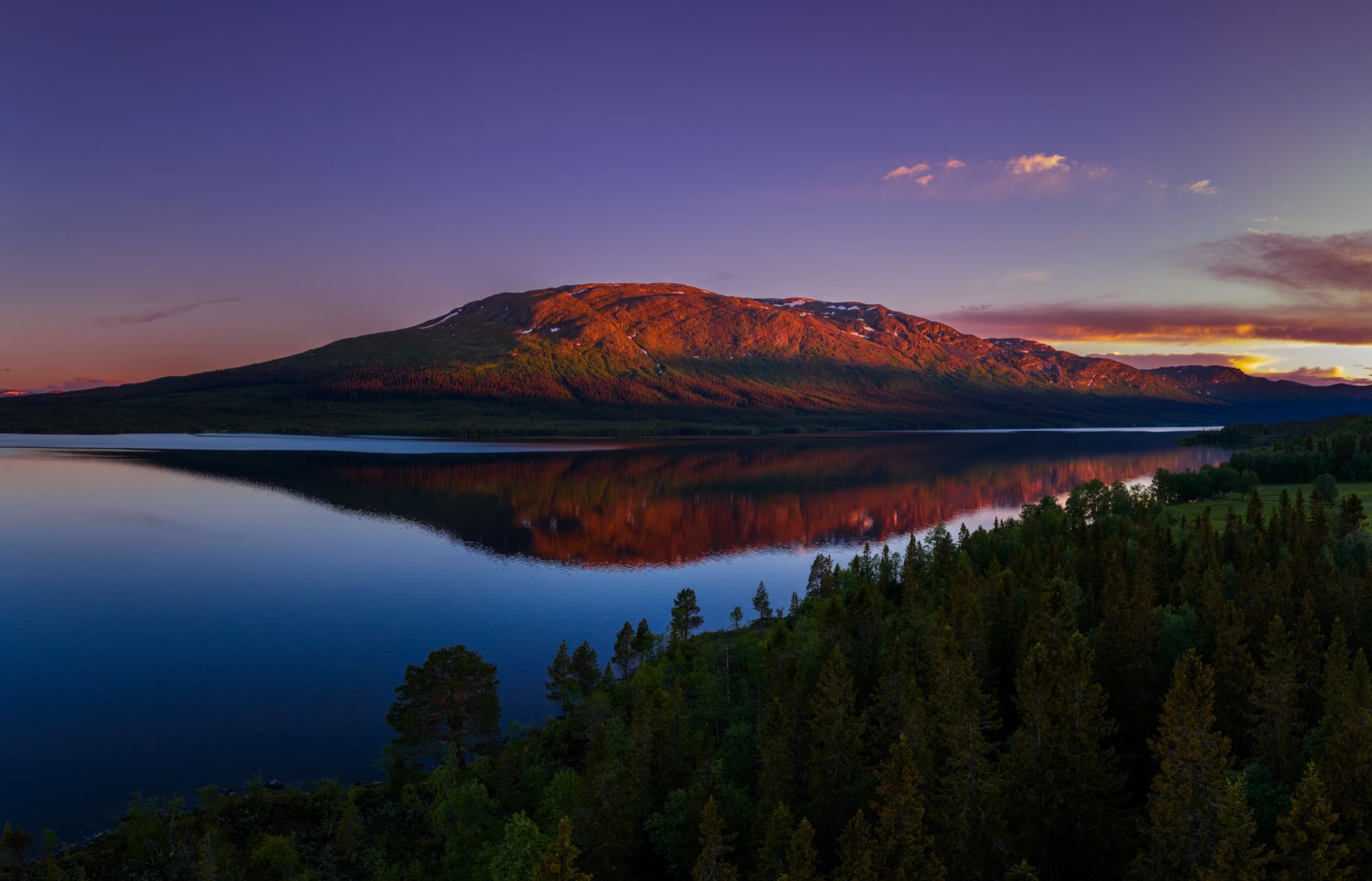
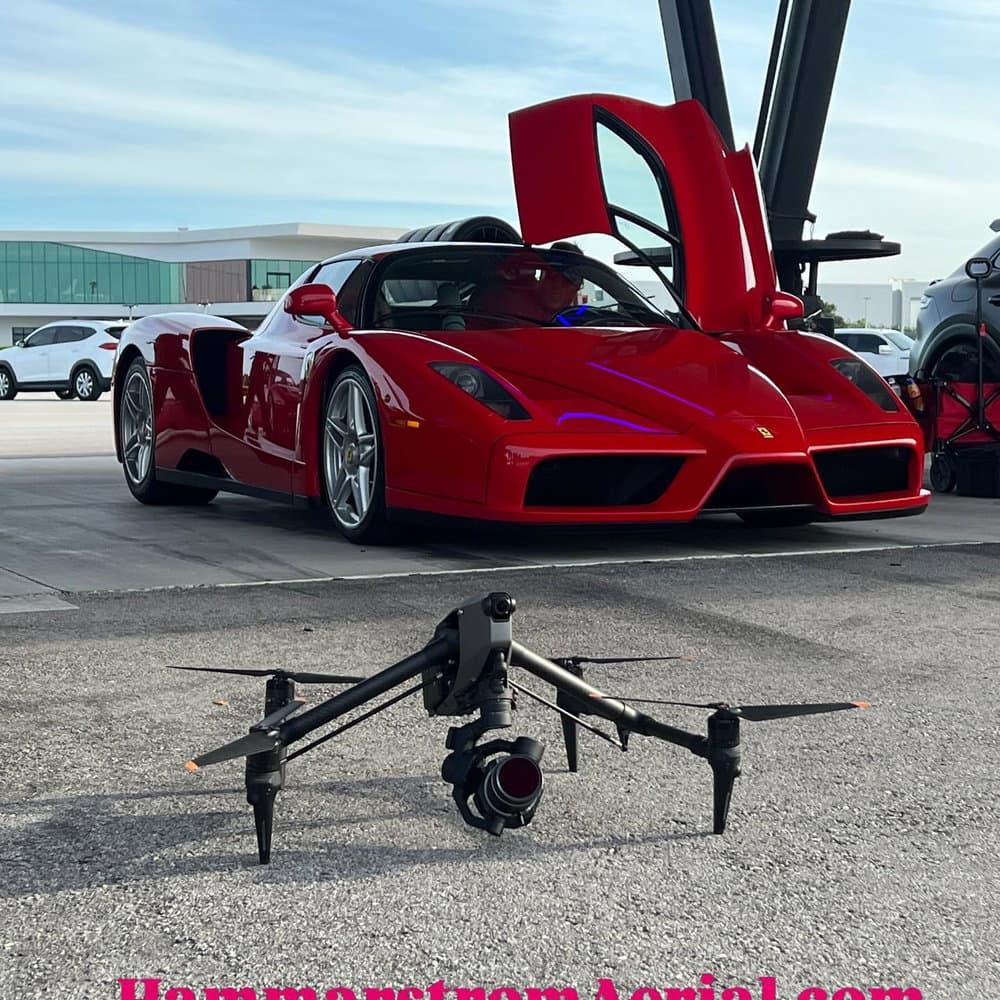
Within a couple of weeks we flew the same drone in two completely different worlds: a snowy Swedish December, and the Florida sun right by the beach. Different light, different challenges — same rig, same result.
It's a good reminder that in this job, reliability is a creative feature. The gear that keeps flying is the gear that gets the shot.
Winter tested, winter approved
A Swedish December is unforgiving: heavy batteries drain faster in the cold, fingers stop working, and gear freezes. Our Freefly Alta X was built for exactly that — real conditions, not brochures. It kept flying, and the winter footage came back clean.
Cold-weather flying is as much about crew discipline as hardware — battery management, warm-up routines, and knowing how the aircraft behaves when the temperature drops.
Blue skies and steady rigs
Flip the map to Florida and the challenge inverts — heat, glare and coastal wind instead of frost. Flying the Alta X under the Florida sun by the beach, in collaboration with Precision Aerial, we combined skillsets to push the aerial work further. Blue skies, steady rigs, and a drone that delivers every time.
Shooting across climates like this is what a working aerial unit does — the same reliable platform, adapted to whatever the location throws at it.
Frequently asked
- Can drones fly in snow and freezing temperatures?
- Yes, with the right platform and crew practices. We fly the Freefly Alta X heavy-lift in sub-zero Swedish winters — cold drains batteries faster and gear needs careful handling, but a professional setup keeps delivering clean footage.
- Do you shoot aerials internationally?
- Yes — we're based in Greater Miami and Sweden and shoot worldwide, from Nordic winters to desert heat, handling permits and logistics as part of the production.
Originally shared on Instagram.